
Success Stories
How MiDOG Saves Pets’ Lives
MiDOG significantly shortens the time that your patient is suffering from infections and aids effective antibiotic stewardship.

MiDOG® discovered the culprit that culture testing missed!
Terry and Chloe. Colorado Springs, CO
The MiDOG® All-in-One test discovered the true culprit that culture testing missed!
After the microbial analysis and treatment of Chloe’s skin condition, she is a healthy happy dog now! Her life was saved by the MiDOG® microbial analysis!
My granddaughter is eternally grateful to MiDOG® for giving her many new happy days with her “buddy” Chloe. Just look at her smile!
Heidi’s bilateral total ear canal ablation was avoided because of the MiDOG® Test!
Heidi and her mom. Orange, CA
Culture testing pointed to a S. pseudintermedius infection, but Heidi’s ears were overgrown with the fungus M. pachydermatis!
Heidi, a 13-year-old dachshund lady, was suffering from chronic ear infections so severe that her ears were shut. She was on Simplicef® because culture testing showed a S. pseudintermedius infection. However, her condition did not improve.
Her primary vet sent her to Dr. Kavanagh, who performed the MiDOG® Test on Heidi’s ears. It showed 85% of microbes in Heidi’s ears was actually M. pachydermatis. She was treated with an antifungal medication Instead of antibiotics and her infection cleared.


Daisy’s chronic urinary tract infection was finally cleared!
Daisy. Tustin, CA
Culture testing pointed to a S. pseudintermedius “only” infection, but missed E. faecalis that was resistant to her prescribed antibiotic.
Daisy, a 5 year old mixed breed, spayed female dog, was suffering from on-and-off urinary tract infections since 6/2016.
Over the years she had 8 periods of urinary tract infections that never fully resolved. MiDOG discovered that an intrinsic resistance of E. faecalis in her urine was causing her recurring infection.
MiDOG® verified C. perfringens caused Buddy’s diarrhea.
Buddy. Newport Beach, CA
MiDOG® confirmed Buddy’s C. perfringens infection and pointed out unusual Fusobacterium amount.
The majority of dogs harbor C. perfringens in low numbers as part of their fecal microbes, even in the absence of disease. In Buddy’s case though, he was suffering from diarrhea and C. perfringens represented 40% of all the bacteria in his feces.
The MiDOG® test gave Buddy’s vet the valuable additional information that there was also an unusual high amount of Fusobacterium present in his feces to guide her selection of the most appropriate antibiotic treatment.
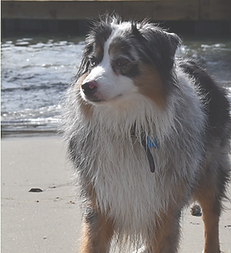

The MiDOG® test detected the first case of Burkholderia gladioli in a dog.
Cooper. Tustin, CA
Cooper’s non-healing wound mystery was solved with the MiDOG test! Cooper, a 7.8 year old Golden Retriever, was suffering from a non-healing wound on his left front paw. Previously, Cooper was treated for IMHA (immune mediated hemolytic anemia) with clindamycin for 2 weeks but there was no response. Dr. Rosenkrantz from the Animal Dermatology Group Tustin CA wanted the best for this good boy and was determined to get to the bottom of the mystery.
The MiDOG All-in-One Test discovered Burkholderia gladioli, a very rare pathogen, deep in the tissue of Cooper’s left front paw. Based on this diagnosis, his veterinarian was able to adjust his medication and decided the best treatment would be a Marbofloxacin treatment for a 6-week therapy. After the treatment, all of Cooper’s skin lesions were completely resolved and he is back to being his happy self!
The MiDOG® test identified a co-infection culture testing missed!
Marc and Bubu. Tustin, CA
BuBu had lesions on his paws that bled periodically. He saw his vet regularly, but the prescribed treatments, including antibiotics and antihistamines, weren’t working. After running the MiDOG® test, it became evident that BuBu had a major infection comprised of both Staphylococcus and Streptococcus.
After treating with an appropriate regimen of topical antibiotics, BuBu made a complete recovery and the hair on his paws grew back. The test really gave an accurate glimpse of what caused his infection.

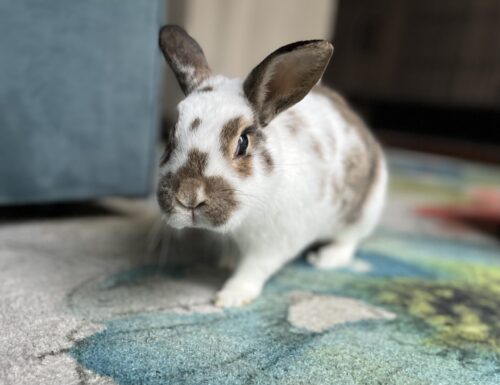
MiDOG swab of his rostral sinuses revealed an unusual (for rabbits) infection
Bailey
Bailey had approximately 4-years-long history of sneezing fits, not diagnosed on several cultures, also had CT, multiple courses of antibiotics. The MiDOG swab of his rostral sinuses revealed an unusual (for rabbits) infection that did not grow on culture submitted at the same time. Appropriate treatment resolved his chronic sneezing.
Dr. Joya Griffin, DVM, DACVD, from Animal Dermatology Group in Louisville
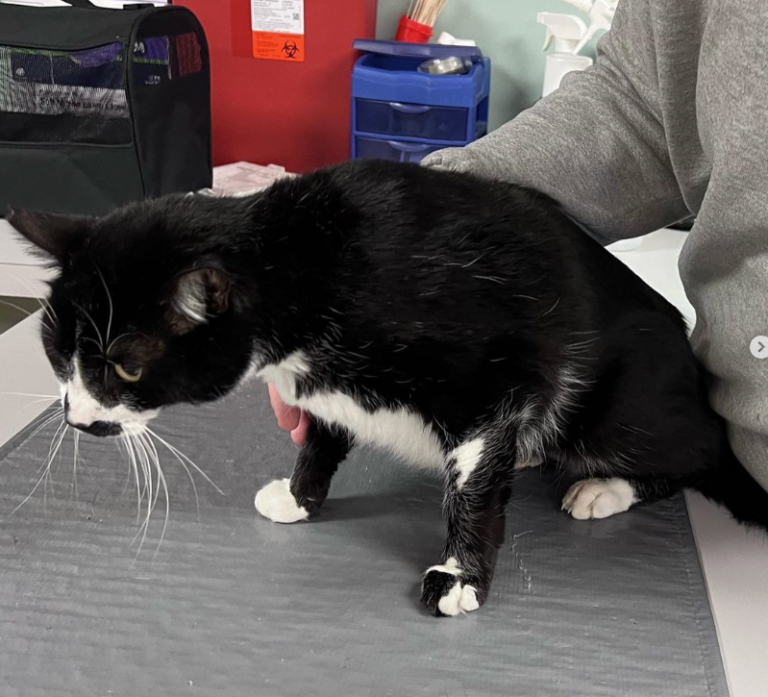
This kitty has the sweetest family who desperately wanted him better and quickly due to new additions being added to the family. He was diagnosed with mycobacteria and has been treated based on DNA sequencing with @midogtest
Thankfully in just one month he’s already feeling and looking so much better.
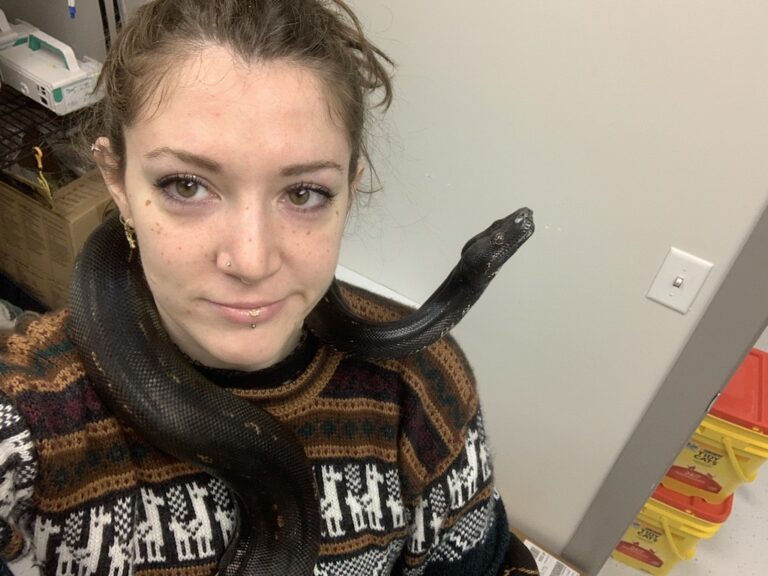
Azriel Collister, the breeding Colombian Boa who overcame a challenging health hurdle
Azriel Collister. Westminster, CO
Azriel was struggling with granulomatous lesions in her mouth, making eating very difficult. Despite previous treatments by her referring veterinarian with amikacin and ceftaz, the issue persisted for a month. Nidovirus tests came back negative, leaving us searching for answers. With insights from the MiDOG All-in-One Test, Dr. Nicolle Tofani Lofgren (Mountain West Veterinary Specialists) made a crucial switch in treatment to azithromycin and metronidazole. Over the course of three weeks, Azriel showed remarkable improvement and finally found relief from her discomfort. It’s worth noting that she was also diagnosed as IBD positive and gravid, factors that likely contributed to her immune suppression and susceptibility to infection.
Azriel’s journey is a testament to the power of advanced diagnostics and tailored treatments. We’re thrilled to have played a part in her recovery and look forward to seeing her thrive!
Blish Bean: A Tale of Triumph
Blish Bean
Dr. Lofgren’s expertise was pivotal in Blish Bean’s journey to recovery. Initially treating him with sulfatrim and metronidazole, she swiftly transitioned to a targeted regimen of penicillin G and itraconazole based on the diagnostic results from MiDOG. Despite challenges like an exposed lung and liver lobe, Dr. Lofgren’s precise adjustments to treatment, guided by diagnostics, led to Blish Bean’s full recovery within two months. This case underscores the importance of tailored diagnostics and clinical expertise in veterinary care.


A 29-year-old cockatiel
Maddy
Maddy, a 29-year-old cockatiel, has faced significant health challenges. She was diagnosed with severe, unresolving rhinitis, which greatly affected her quality of life. After several failed treatments, a midog test identified the culprit: a multi-drug resistant strain of Pseudomonas aeruginosa.
A three-week course of ceftazidime brought remarkable improvement in Maddy’s condition. To manage her chronic symptoms and prevent resistance, she now receives ceftazidime nebulization and undergoes regular midog tests every six months.
Thanks to her dedicated veterinary care by Dr. Lofgren, Maddy’s breathing has eased, and her vibrant personality has returned. Maddy Johnston’s journey highlights the power of personalized treatment and the resilience of a beloved pet, living her best life despite her health challenges.
Overcoming Chronic Respiratory Distress in a Rabbit
When Bear, a rabbit, was first brought in, she exhibited labored breathing and nasal discharge. Initial culture identified a Pasteurellaceae species, and she was prescribed Sulfatrim. Unfortunately, Bear didn’t return for follow-up care before the antibiotics were discontinued as directed.
Six months later, Bear presented again, this time for increased hiding behaviors and pronounced upper airway noise (stridor). Her owner had assumed these symptoms were normal and hadn’t recognized the disease progression. Due to financial constraints, additional hospitalization, culturing, or serology testing weren’t possible.
Relying on the previous culture results, the veterinary team initiated treatment with Bicillin, targeting the suspected Pasteurella infection. Bear responded well and is now showing significant clinical improvement.
Outcome:
Targeted treatment based on earlier culture data led to a successful recovery, highlighting the importance of early detection, clear follow-up plans, and practical decision-making when resources are limited.

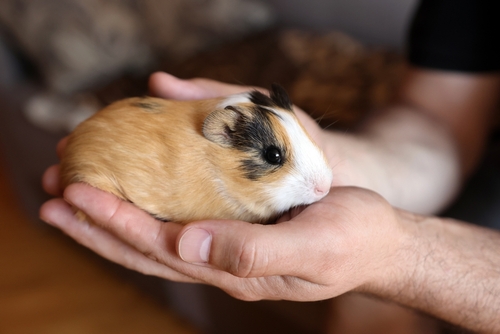
Breathing Easier: Pumpkin’s Recovery from a Respiratory Infection
Pumpkin, a guinea pig, was brought in after 48 hours of noticeable respiratory distress. While awaiting culture results, the veterinary team began empiric treatment with Trimethoprim-Sulfamethoxazole to provide early intervention.
When the culture report returned, it revealed a dual infection: Mycoplasma and Bordetella, two common but serious respiratory pathogens in guinea pigs. Based on these findings, Pumpkin’s treatment was switched to Enrofloxacin, which offers effective coverage for both organisms.
The result? A strong and steady recovery. Pumpkin responded remarkably well to the targeted antibiotic therapy and is now back to being her usual energetic self.
Outcome:
Accurate pathogen identification through culture enabled a swift, strategic change in treatment, underscoring the value of diagnostics in exotic species where early signs can escalate quickly.
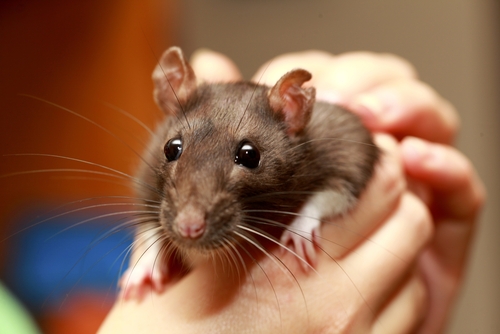
Pepper’s Path to Relief: Unraveling a Complex Respiratory Infection in a Rat
Pepper Lyons, a rat, was brought in for sneezing and lethargy, subtle symptoms that can easily mask deeper respiratory issues. She was started on Azithromycin while awaiting culture results to avoid treatment delays.
The culture revealed a more complicated picture: pneumonia caused by a combination of Mycoplasma, CAR bacillus, and Streptococcus species. To address the multi-organism infection, Pepper was placed on a combination of Enrofloxacin and Clavamox.
Pepper showed noticeable improvement, though she continued to have occasional sneezing, likely linked to Mycoplasma, a common yet persistent contributor to chronic respiratory disease in rats. This case allowed the care team to educate Pepper’s owners that Mycoplasma often coexists with other pathogens, making a layered treatment approach essential.
Outcome:
Comprehensive culture-guided treatment led to symptom relief and improved quality of life, while clear communication helped the pet parents understand the chronic nature of certain infections.
What’s your MiDOG success story?
We’d love to hear it!